Uncovering the Finest Deck Designs: A Comprehensive Guide to Different Types of Decks for Your Outdoor Oasis
Exploring deck styles can greatly enhance a backyard area. Residents encounter many different alternatives, each offering distinct advantages. From conventional wood styles that stir fond memories to advanced composite options that deliver resilience, the options are vast. Furthermore, eco-friendly materials and tiered layouts offer creative ways to maximize functionality. As the exploration continues, the special characteristics that boost appeal and convenience will reveal the potential for creating a true outdoor oasis.
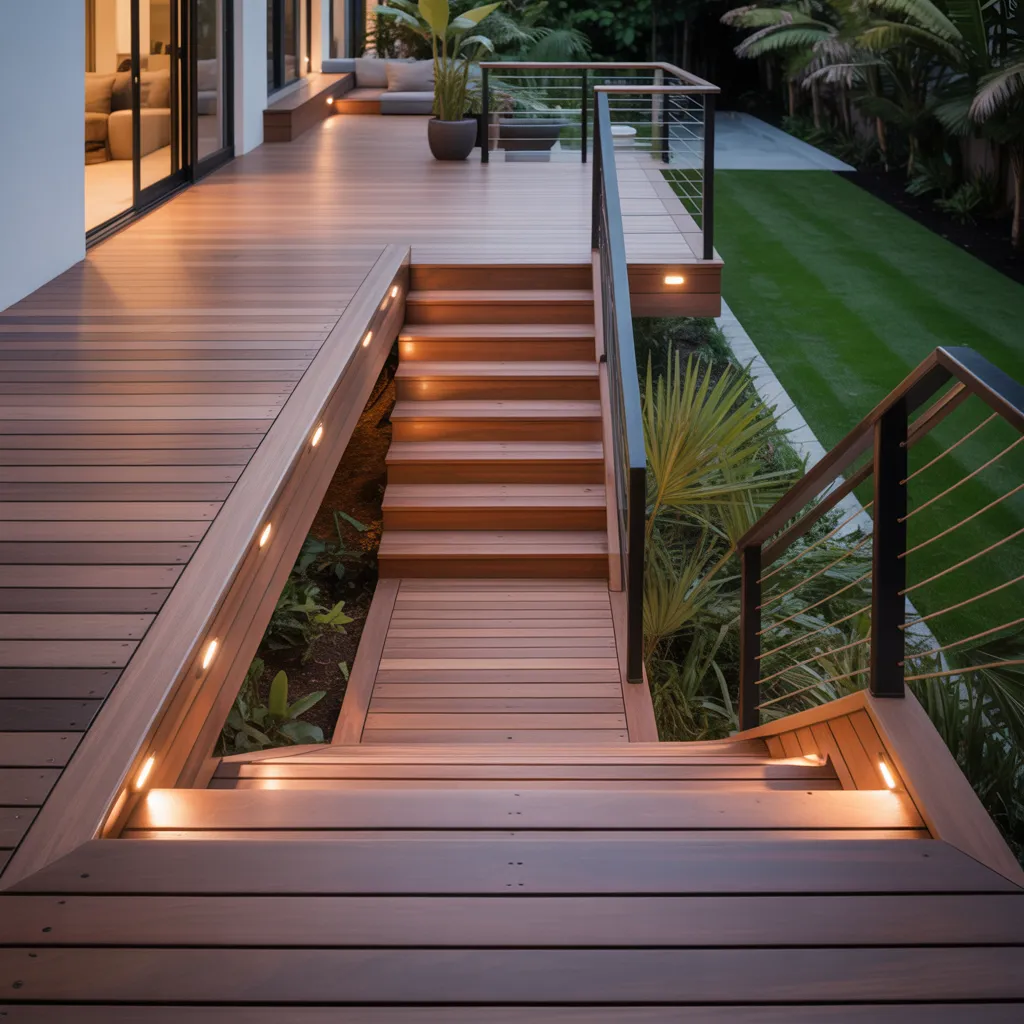
Classic Wooden Decks: Classic Deck Design Elegance
As many modern materials contend for recognition in outdoor design, classic wood decks maintain an enduring allure that speaks to homeowners and designers alike. Their inherent beauty enriches the character of any outdoor area, delivering warmth and a profound connection to the surrounding environment.
Available in various species including cedar, redwood, and pressure-treated pine, wooden decks offer a wide range of design and finish possibilities. The rich textures and grains of wood create a unique visual appeal, rendering each deck distinctly individual. Furthermore, wooden decks can be customized to suit various architectural styles, spanning traditional rustic to sleek contemporary.
Maintenance is crucial for longevity, necessitating routine staining or sealing to shield against weather damage. Even so, the classic charm of wood, combined with its eco-friendly attributes, ensures its lasting appeal. Traditional wooden decks continue to be a preferred option for homeowners desiring a warm and visually appealing outdoor space.
Modern Composite Decks: The Minimal-Upkeep Answer
Contemporary composite decking has become a preferred option for homeowners seeking a low-maintenance outdoor solution. Built using a combination of wood fibers and recycled plastic materials, these decks deliver exceptional durability and attractive aesthetics eliminating the significant upkeep that conventional wood decking requires. Unlike wooden decks, composite materials hold up against fading, staining, and warping, ensuring a consistently attractive appearance over time.
Homeowners appreciate the convenience of maintaining composite decks, as they typically demand nothing more than soap and water to maintain their look. Furthermore, many composite products include built-in UV protection, greatly improving their longevity. With a range of colors and textures available, these decks can suit any outdoor design, providing versatility while eliminating the need for sanding, sealing, or painting. As outdoor living spaces gain popularity, modern composite decks prove to be a smart option for those focusing on both style and low maintenance in their backyard retreat.
Sustainable Decking Options: Why Eco-Friendly Matters
As homeowners increasingly prioritize sustainability, eco-friendly decking options have gained significant attention in the market. Such materials serve the dual purpose of minimizing environmental harm while elevating the visual appeal of outdoor areas. For instance, reclaimed wood delivers exceptional aesthetic appeal while actively reducing deforestation. At the same time, bamboo has risen as a durable, rapidly renewable option that demands significantly less energy during production.
Composite decking constructed from recycled plastics and wood fibers provides an additional sustainable option, cutting down on waste and encouraging long-lasting performance. Furthermore, a growing number of manufacturers are now emphasizing low-VOC finishes, which provide a healthier option for both the environment and people.
Selecting eco-friendly decking goes beyond simply showing a devotion to sustainability but also contributes to energy efficiency and long-term cost savings through minimized maintenance and replacement needs. As consumer awareness increases, the demand for green decking solutions will likely continue to drive innovation in the decking industry, making sustainability-focused decisions more accessible for homeowners.
Multi-Level Decks: Maximizing Space and Functionality
Multi-level decks offer an innovative solution for homeowners seeking to enhance their outdoor living areas. These adaptable installations can convert sloped or uneven terrain into functional spaces, offering separate areas for rest, meals, and social gatherings. With the integration of several platform levels, homeowners can craft an eye-catching landscape design that captures attention and improves the overall look of their home.
The design of multi-level decks allows for improved organization of outdoor living spaces. As an example, one section can be designated as a rest and leisure area, while an additional tier can be used for a barbecue setup or outdoor kitchen. Additionally, these decks can incorporate built-in seating and planters, effortlessly merging natural elements with outdoor living spaces.
Safety and accessibility are greatly boosted with thoughtful design, as handrails and staircases can be incorporated into the structure. Ultimately, multi-level decks serve the dual purpose of maximizing space and improving the utility of outdoor areas, making them perfect for entertaining guests and enjoying private relaxation.
Innovative Deck Features: Elevating Style and Comfort
While traditional deck designs comprehensive resource offer a solid foundation for outdoor enjoyment, incorporating creative features can greatly enhance both style and comfort. Including built-in benches not only establishes a comfortable social area but also makes the most of the available room. Decorative railings, such as glass or intricate woodwork, elevate the visual appeal while maintaining safety. Integrating planters with lush greenery offers a revitalizing touch, blending nature with design.
Integrating additions like outdoor lighting can transform the overall feel, enabling pleasant nights under the stars. A fire pit works as both a focal point and a source of warmth, extending the usability of the deck. In addition, incorporating overhead coverage like pergolas or retractable awnings guarantees comfort during sunny days. Lastly, outdoor rugs and cushions work to soften the space, creating an welcoming atmosphere. Such design features collectively contribute to a deck that is not only useful but also a elegant extension of the home.
Deck Budgeting 101: Strategic Planning and Saving
Creating a fashionable and functional deck calls for careful consideration, especially when it comes to managing finances. A carefully structured budget not only confirms fiscal viability but also empowers homeowners to prioritize essential features. Initially, it is crucial to identify the complete financial scope, taking into account materials, labor, and additional features like lighting or furniture.
Homeowners are encouraged to examine a range of materials, as costs can fluctuate considerably. For instance, composite decking typically costs more than standard wood but may offer long-term savings through lower maintenance.
Additionally, looking into local contractors can yield competitive bids, offering a more precise sense of workforce expenses.
Establishing a financial reserve is wise, as unplanned expenditures commonly emerge during the building process. By following a carefully planned budget and exercising sound judgment, homeowners can design an exterior retreat that combines elegance, functionality, and budgetary awareness.
Commonly Asked Questions
What Is the Life Expectancy of Various Deck Materials?
Deck materials differ significantly in their lifespan; pressure-treated wood can last between 15 and 20 years, while composite decking offers a lifespan of 25-30 years. Cedar and redwood generally have a lifespan of 20-25 years, and aluminum decks may exceed 30 years with proper maintenance.
What Is the Best Way to Care for My Deck Across Every Season?
To maintain a deck across all seasons, routine cleaning, sealing, and inspections are necessary. During winter, carefully remove snow, while summer calls for protection against UV rays, so the deck stays in optimal shape all year long.
Can I Construct a Deck on My Own, or Should I Bring in a Professional?
Building a deck oneself is possible, but it calls for substantial know-how and craftsmanship. Working with a skilled professional typically provides higher quality outcomes and regulatory compliance, making it the preferred option for individuals without construction experience.
What Permits Do You Need for Deck Construction?
Prior to building a deck, it is generally necessary to secure building authorizations, zoning authorizations, and possibly inspections, depending on local regulations. Consulting with the local building department helps ensure compliance and eliminates legal setbacks while completing the construction.
How Can I Select the Best Deck Color and Style?
To pick the perfect deck color and style, one should consider the home's architecture, surrounding landscape, and personal taste. Viewing samples can help you explore options, while trends and durability also are important factors in making the right choice.